
Login
Company and partnership
  • Home
  • Products
  • Blog
  • Support
Company and partnershipLogin
  • Home
  • Products
  • Blog
  • Support

8 (800) 000 00-00

contact@GDHFAD.com

  • GDHFAD Plus
  • GDHFAD Mini
  • Test strips
  • Lancets
  • Registration documents
  • Certificates
  • Technical information
  • Declarations and official documents
  • Company and partnership
  • Research and development
  • Quality and documents
  • Contacts
  • GDHFAD expertise
  • Articles and videos
  • User agreement
  • Privacy policy

© GDHFAD, LLC 2026

Website information does not replace advice from a healthcare professional.

No. RZN 2018/6792; No. RZN 2021/14349; No. RZN 2017/6149; No. RZN 2021/14393; RZN 2020/11705; RZN 2020/12242. THERE ARE CONTRAINDICATIONS. CONSULT A SPECIALIST.

BLOG

Articles and videos

Your first measurement?
NiPtPd nanozyme for laboratory glucose sensing
Article/Research12/11/2026

NiPtPd nanozyme for laboratory glucose sensing

Amperometric glucose biosensors remain indispensable analytical tools in clinical diagnostics due to their sensitivity, simplicity, and suitability for rapid measurements. Herein, an amperometric glucose biosensor based on immobilized glucose oxidase (GOx) and trimetallic nickel–platinum–palladium (NiPtPd) nanoparticles is reported. The NiPtPd nanoparticles deposited on a graphite rod electrode exhibited pronounced peroxidase-like activity and enabled efficient low-potential electrochemical transduction of the enzymatic reaction. The resulting biosensor displayed a linear response toward glucose in the concentration range from 0.04 to 1.58 mM. The limits of detection and quantification were determined to be 17.33 and 52.53 µM, respectively, and the sensitivity was 29.84 µA/mMcm^(2). The developed biosensor demonstrated good analytical precision, with repeatability and reproducibility characterized by relative standard deviations (RSDs) of 4.01 and 9.0%, respectively. High selectivity toward glucose, strong resistance to common electroactive interferents, and satisfactory short-term storage stability (90.78% signal retention after 14 days) were also achieved. Furthermore, preliminary glucose determination in a diluted human serum sample was demonstrated with a recovery of 101.28% and an RSD of 5.27%, indicating the potential applicability of the biosensor for analysis in diluted biological matrices. These findings demonstrate that trimetallic NiPtPd nanoparticles can serve as effective low-potential electrocatalytic transducers in enzyme–nanozyme sensing platforms.
Read

Toward Trustworthy Diabetes Technologies: A Dynamic Platform for Safety and Security Evaluation
Article/Research05/11/2026

Toward Trustworthy Diabetes Technologies: A Dynamic Platform for Safety and Security Evaluation

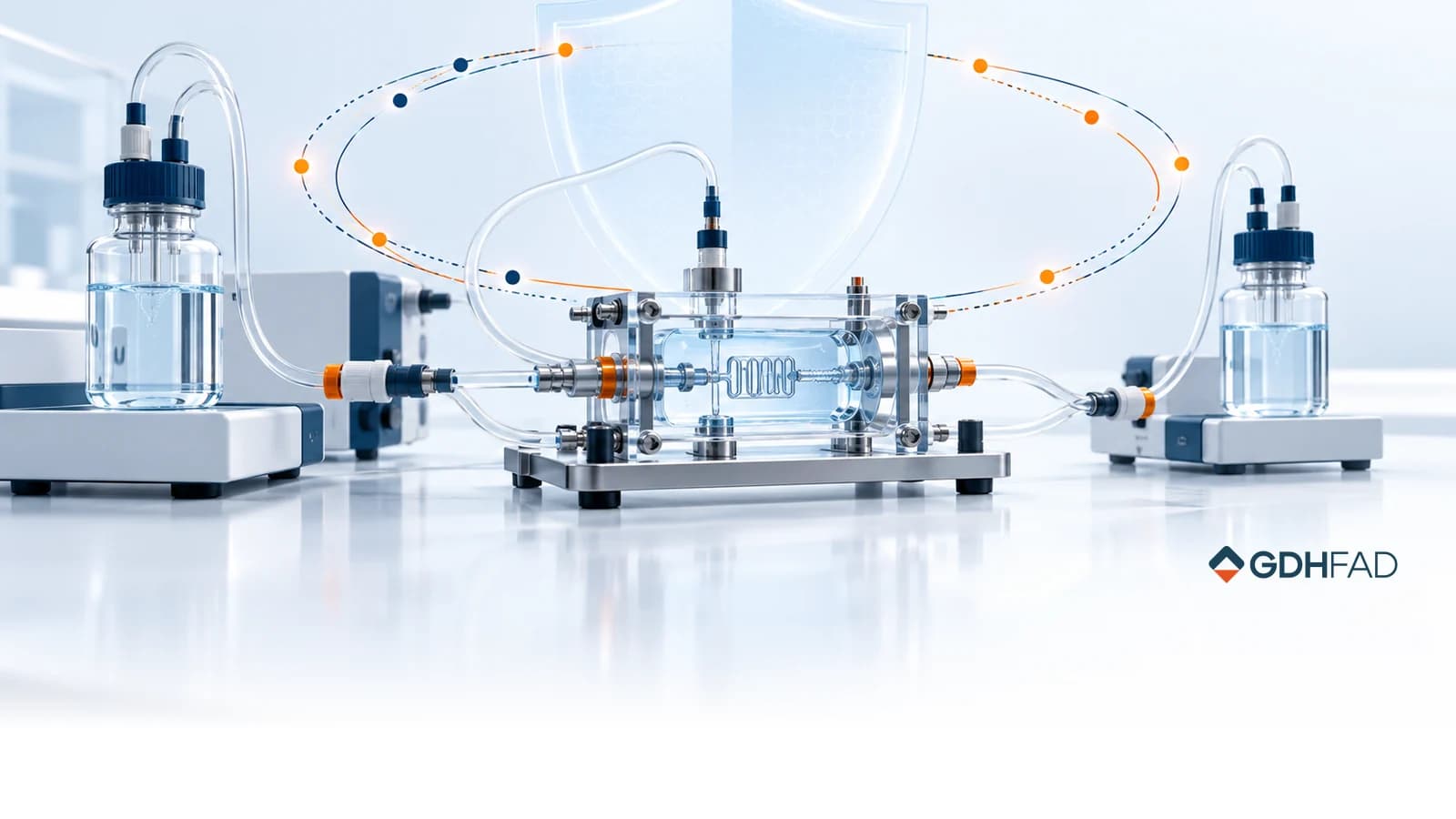
Objective: To evaluate the cybersecurity of automated insulin delivery (AID) systems, a platform was developed, integrating continuous glucose monitors, fluidic systems, insulin controllers, and wireless communication pathways with virtual subjects. Impact Statement: This study provides evidence that AID systems that are vulnerable to cyberattacks pose substantial risk to patient safety. This underscores the need for improved regulation and design of personal, wearable medical devices, through cyberphysiological system modeling. Introduction: AID systems depend on continuous glucose monitors (CGMs) as their primary sensing input, making evaluation of the accuracy, robustness, and security of these sensors essential for safe diabetes management. However, there are limited assessment tools that preserve the communication and timing paths of CGM sensors within an AID system. Methods: We present a modular hardware-in-the-loop platform that reproduces physiological glucose dynamics, bridging the gap between simulation and clinical validation. The system integrates programmable peristaltic pumps, 3D-printed flow cells, glucose sensors, and a real-time virtual subject simulator. Results: The platform generates reproducible glucose trajectories and supports closed-loop operation through integration with an open-source insulin controller. A false data injection attack scenario on the glucose sensor led to an increase in insulin dosage delivered by the control algorithm relative to baseline. If undetected, this could result in a life-threatening condition. Conclusion: The platform enables system-level cybersecurity assessment of AID under dynamic operating conditions and highlights safety–security interdependencies in closed-loop medical therapeutics.

Read

Non-invasive glucose monitoring: modelling NIR sensors
Article/Research02/11/2026

Non-invasive glucose monitoring: modelling NIR sensors

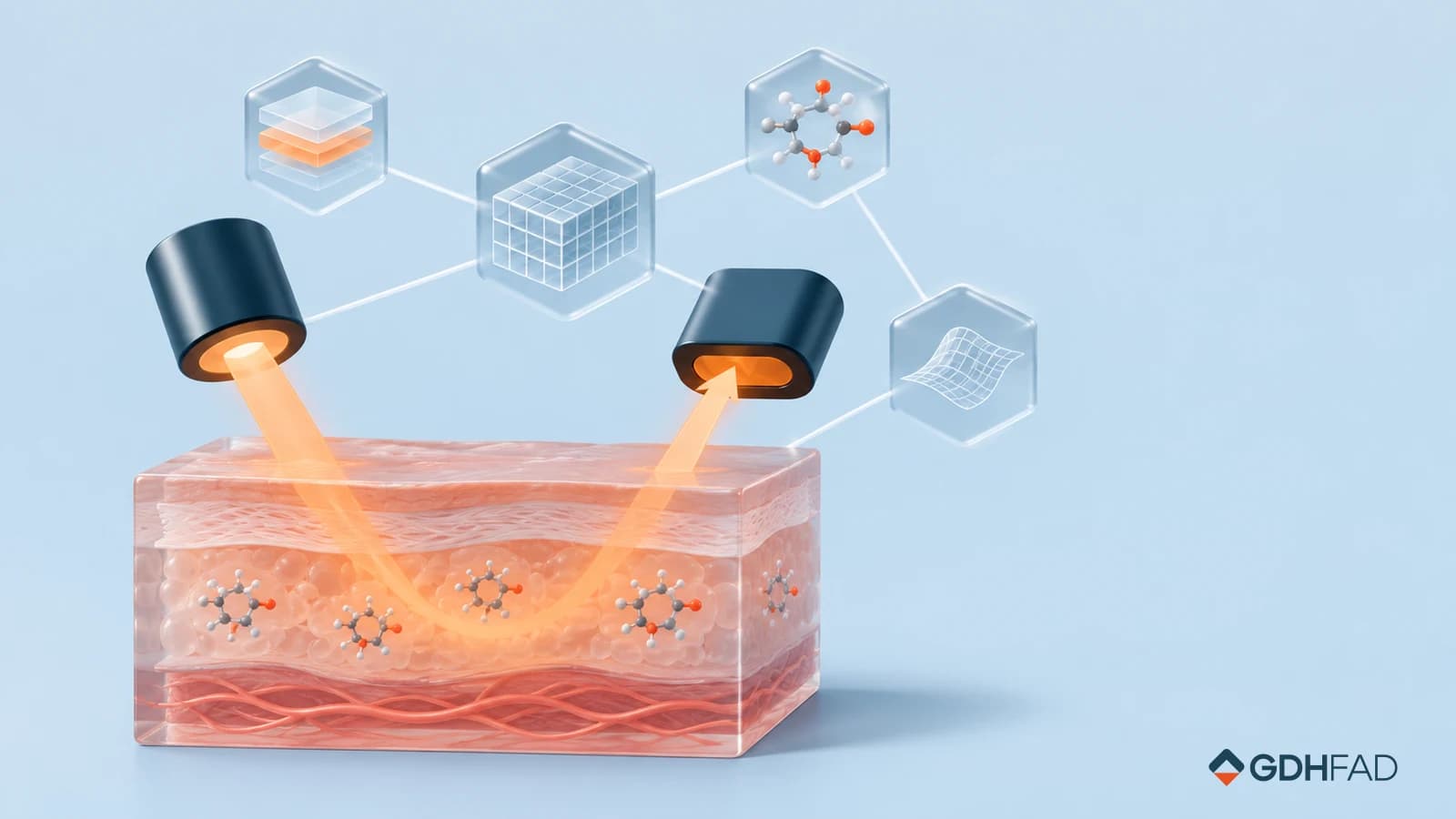
Non-invasive continuous glucose monitoring remains an important technological challenge in diabetes management. This study was revised as a literature-grounded simulation and methodological proof-of-concept rather than an experimental clinical validation. The analysis used 320 independent synthetic reference–NIR glucose pairs generated from physiological ranges and performance distributions reported in the cited literature, together with an illustrative 576-point, 48-h synthetic time series. Three sensor archetypes were informed by published optical systems. Descriptive agreement was evaluated using mean absolute relative difference (MARD), Pearson correlation, Bland–Altman analysis, and the supplied Clarke Error Grid (CEG) categories. Candidate physiological and environmental factors were examined using Pearson correlations with 95% confidence intervals, raw p-values, and Holm correction. The synthetic dataset produced an overall MARD of 10.38% (SD = 7.67%), r = 0.958 (R^(2) = 0.918, p < 0.001), a Bland–Altman bias of 4.32 mg/dL, and 89.4%/10.3%/0.3% of records in CEG zones A/B/D, respectively. All candidate-factor correlations were small and non-significant after multiplicity correction; the largest was hematocrit (r = 0.090, 95% CI −0.019 to 0.198; Holm-adjusted p = 0.852). Differences in MARD among sensor archetypes were also non-significant (ANOVA p = 0.369; Kruskal–Wallis p = 0.543). Adaptive calibration is therefore presented as a literature-informed framework for future prospective validation, not as a performance improvement demonstrated by the present synthetic dataset. No FDA or ISO compliance or clinical applicability is claimed.

Read

How an electrochemical test strip works
Article/Research05/10/2026

How an electrochemical test strip works

From blood sample to electrical response: a general explanation, not a manufacturing recipe.

Read

GDH-FAD: what the enzyme technology name means
Article/Research05/10/2026

GDH-FAD: what the enzyme technology name means

The abbreviation, the cofactor and why a name alone cannot prove product performance.

Read

Inside a test strip: layers and the working area
Article/Research05/10/2026

Inside a test strip: layers and the working area

A small supply relies on coordinated materials, geometry and reagents.

Read

From electrical signal to a glucose result
Article/Research05/10/2026

From electrical signal to a glucose result

Measurement, calculation and system verification sit between a reaction and the displayed number.

Read

Hematocrit and interference: why sample properties matter
Article/Research05/10/2026

Hematocrit and interference: why sample properties matter

Developers assess more than glucose concentration alone.

Read

Meter accuracy and quality management are not the same
Article/Research05/10/2026

Meter accuracy and quality management are not the same

Separate device performance evidence, production controls and management-system certification.

Read