Login
Company and partnership
  • Home
  • Products
  • Blog
  • Support
Company and partnershipLogin
  • Home
  • Products
  • Blog
  • Support

8 (800) 000 00-00

contact@GDHFAD.com

  • GDHFAD Plus
  • GDHFAD Mini
  • Test strips
  • Lancets
  • Registration documents
  • Certificates
  • Technical information
  • Declarations and official documents
  • Company and partnership
  • Research and development
  • Quality and documents
  • Contacts
  • GDHFAD expertise
  • Articles and videos
  • User agreement
  • Privacy policy

© GDHFAD, LLC 2026

Website information does not replace advice from a healthcare professional.

No. RZN 2018/6792; No. RZN 2021/14349; No. RZN 2017/6149; No. RZN 2021/14393; RZN 2020/11705; RZN 2020/12242. THERE ARE CONTRAINDICATIONS. CONSULT A SPECIALIST.

BLOG

Articles and videos

Your first measurement?
Glucose profiles and socioeconomic circumstances in adults with type 1 diabetes
Article/Everyday monitoring19/11/2026

Glucose profiles and socioeconomic circumstances in adults with type 1 diabetes

To identify clinical, sociodemographic and glucometric factors associated with achieving international glycaemic targets derived from intermittently scanned continuous glucose monitoring (isCGM) in adults with type 1 diabetes mellitus (T1DM) treated with multiple daily injections (MDI) in Andalusia, a region with universal access to isCGM. A cross-sectional, population-based study was conducted using centralized electronic health records from the Andalusian Public Health System (APHS). Adults with T1DM using isCGM for ≥1 year and integrated glucometric data in Electronic Health Records in APHS in the 14 days preceding the download were included. Four glycaemic endpoints were evaluated: time in range (TIR ≥ 70%), time above range (TAR < 25%), time below range (TBR < 5%), and achievement of full AGP profile. Univariate analyses and multivariable logistic regression models were used to identify independent predictors. A total of 7,885 individuals were included. Overall, 24.8% achieved TIR ≥ 70%, 35.0% TAR < 25%, 72.9% TBR < 5%, and 12.3% met the full AGP profile. Lower HbA_(1c), lower glycaemic variability and a higher number of daily scans were consistently associated with achieving glycaemic targets. Older age and male sex were independent predictors of TIR ≥ 70%. Socioeconomic status showed a significant association: individuals in the intermediate-income group had higher odds of achieving TIR, TAR and full AGP criteria. No socioeconomic associations were observed for TBR < 5%. In a real-world setting with universal isCGM provision, clinical, sociodemographic and glucometric determinants independently influence the achievement of glycaemic targets in adults with T1DM. Integrating advanced monitoring metrics with explicit consideration of social determinants may enhance the precision and equity of glycaemic management strategies.

Read

Glucose monitoring in children hospitalized with congenital hyperinsulinism
Article/Everyday monitoring16/11/2026

Glucose monitoring in children hospitalized with congenital hyperinsulinism

Patients with congenital hyperinsulinism (HI) face recurrent and unpredictable hypoglycemia. Conventional inpatient monitoring relies on intermittent fingerprick glucose testing, which is burdensome for pediatric patients and risks missing hypoglycemic episodes between tests. Continuous glucose monitoring (CGM) provides high granularity, complimentary monitoring but with unproven efficacy to detect and reduce hypoglycemia in the inpatient setting. This study evaluates whether CGM can improve inpatient safety through the early detection, and subsequent treatment, of hypoglycemic episodes. Thirteen inpatients with HI were monitored using Dexcom G7 or G6 device. Finger-prick glucose monitoring was performed at the expert clinician’s discretion and to verify CGM-prompted hypoglycemia alerts. All CGM data were retrospectively searched for hypoglycemia episodes. Fingerprick glucose data were concurrently analysed, alongside electronic health records, to quantify early hypoglycemia detection and subsequent hypoglycemia saved. CGM accuracy was analysed using established metrics, including hypoglycemia sensitivity and error grid analysis, in Python 3.1.1. From 3504 paired CGM and fingerprick values, hypoglycemia sensitivity was 56.7%, with CGM devices tending to overread, by a mean of +0.43mmol/L. On Hypoglycemia Error Grid analysis, 6.2% of values were classed as moderate or severe risk. Patient data, from 627 days of monitoring, showed 721 CGM-detected hypoglycemia events (<3.5 mmol/L). Of these, 448 (62.1%) were refuted as false positives and 273 (37.9%) were confirmed as true hypoglycemia, by fingerprick glucose monitoring. Patients spent a mean of 16 minutes/day (1.1% time) in hypoglycemia. CGM alerts saved an estimated mean of 21 minutes/day of hypoglycemia; a more than halving of total hypoglycemia experienced per patient. The use of CGM within the inpatient setting, for those with HI, allows for a significant reduction in hypoglycemia; potentially halving hypoglycemic time. Sensor accuracy remains poor in the inpatient setting, resulting in high false negatives and suboptimal hypoglycemia sensitivity. However, the overall burden of CGM use is relatively low in the inpatient setting, when healthcare professionals can share the work with parents.

Read

NiPtPd nanozyme for laboratory glucose sensing
Article/Research12/11/2026

NiPtPd nanozyme for laboratory glucose sensing

Amperometric glucose biosensors remain indispensable analytical tools in clinical diagnostics due to their sensitivity, simplicity, and suitability for rapid measurements. Herein, an amperometric glucose biosensor based on immobilized glucose oxidase (GOx) and trimetallic nickel–platinum–palladium (NiPtPd) nanoparticles is reported. The NiPtPd nanoparticles deposited on a graphite rod electrode exhibited pronounced peroxidase-like activity and enabled efficient low-potential electrochemical transduction of the enzymatic reaction. The resulting biosensor displayed a linear response toward glucose in the concentration range from 0.04 to 1.58 mM. The limits of detection and quantification were determined to be 17.33 and 52.53 µM, respectively, and the sensitivity was 29.84 µA/mMcm^(2). The developed biosensor demonstrated good analytical precision, with repeatability and reproducibility characterized by relative standard deviations (RSDs) of 4.01 and 9.0%, respectively. High selectivity toward glucose, strong resistance to common electroactive interferents, and satisfactory short-term storage stability (90.78% signal retention after 14 days) were also achieved. Furthermore, preliminary glucose determination in a diluted human serum sample was demonstrated with a recovery of 101.28% and an RSD of 5.27%, indicating the potential applicability of the biosensor for analysis in diluted biological matrices. These findings demonstrate that trimetallic NiPtPd nanoparticles can serve as effective low-potential electrocatalytic transducers in enzyme–nanozyme sensing platforms.

Read

Glycemic biomarkers and CGM in chronic kidney disease
Article/Everyday monitoring09/11/2026

Glycemic biomarkers and CGM in chronic kidney disease

Background/Objectives: Accurate assessment of glycemic control in patients with diabetes and chronic kidney disease (CKD) is challenging because alterations associated with CKD affect the performance of conventional glycemic biomarkers, such as glycated hemoglobin (HbA1c), glycated albumin (GA), and fructosamine, while continuous glucose monitoring (CGM) offers a more comprehensive assessment of glycemic exposure; however, a quantitative synthesis of the correlation between these biomarkers and CGM-derived metrics across CKD stages is lacking. To systematically evaluate the correlation between HbA1c, GA, and fructosamine and CGM-derived glycemic metrics in adults with diabetes and CKD, using CGM as the reference standard. Methods: A systematic review with correlation meta-analysis was conducted following the Preferred Reporting Items for Systematic Reviews and Meta-analyses (PRISMA) guidelines, including studies published between January 2016 and March 2025, indexed in PubMed, Scopus, and Web of Science. Correlation coefficients were transformed using Fisher’s z transformation and pooled using a random-effects model; heterogeneity was assessed using the I^(2) statistic. Results: Ten studies met the eligibility criteria; six provided sufficient data for meta-analysis. The pooled correlation was moderate (r = 0.66; 95% confidence interval [CI]: 0.56–0.74) with substantial heterogeneity (I^(2) = 58.9%). In exploratory biomarker-specific subgroup analyses, GA showed the numerically highest correlation with CGM-derived metrics (r = 0.74; 95% CI: 0.65–0.81), followed by HbA1c (r = 0.65; 95% CI: 0.51–0.75); fructosamine was more variable. Conclusions: No single biomarker demonstrated consistent superiority across CKD stages and treatment modalities. These correlation analyses measure linear association, not clinical interchangeability. Biomarker selection should be individualized according to CKD stage, dialysis status, and CGM availability.

Read

Toward Trustworthy Diabetes Technologies: A Dynamic Platform for Safety and Security Evaluation
Article/Research05/11/2026

Toward Trustworthy Diabetes Technologies: A Dynamic Platform for Safety and Security Evaluation

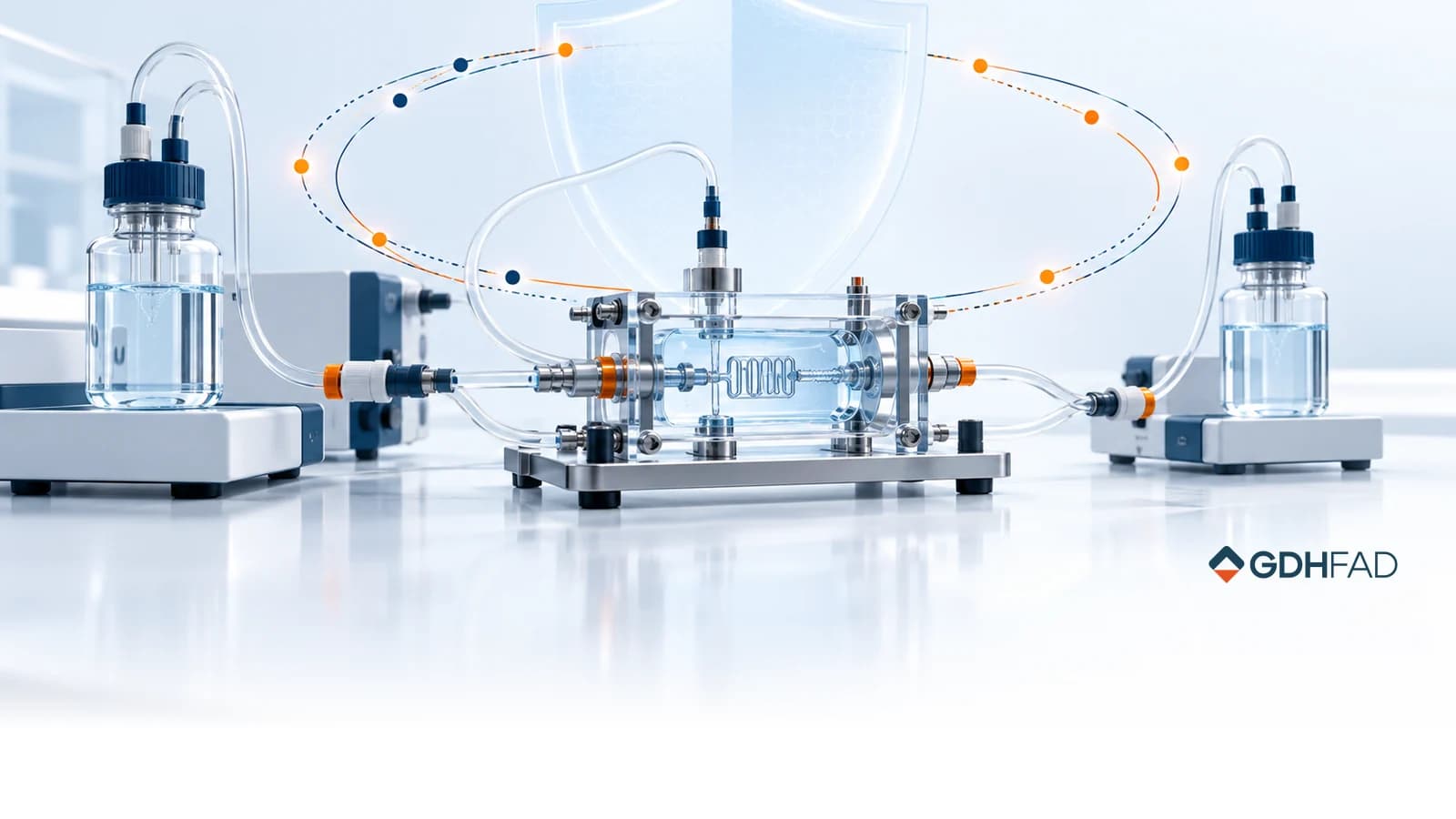
Objective: To evaluate the cybersecurity of automated insulin delivery (AID) systems, a platform was developed, integrating continuous glucose monitors, fluidic systems, insulin controllers, and wireless communication pathways with virtual subjects. Impact Statement: This study provides evidence that AID systems that are vulnerable to cyberattacks pose substantial risk to patient safety. This underscores the need for improved regulation and design of personal, wearable medical devices, through cyberphysiological system modeling. Introduction: AID systems depend on continuous glucose monitors (CGMs) as their primary sensing input, making evaluation of the accuracy, robustness, and security of these sensors essential for safe diabetes management. However, there are limited assessment tools that preserve the communication and timing paths of CGM sensors within an AID system. Methods: We present a modular hardware-in-the-loop platform that reproduces physiological glucose dynamics, bridging the gap between simulation and clinical validation. The system integrates programmable peristaltic pumps, 3D-printed flow cells, glucose sensors, and a real-time virtual subject simulator. Results: The platform generates reproducible glucose trajectories and supports closed-loop operation through integration with an open-source insulin controller. A false data injection attack scenario on the glucose sensor led to an increase in insulin dosage delivered by the control algorithm relative to baseline. If undetected, this could result in a life-threatening condition. Conclusion: The platform enables system-level cybersecurity assessment of AID under dynamic operating conditions and highlights safety–security interdependencies in closed-loop medical therapeutics.

Read

Non-invasive glucose monitoring: modelling NIR sensors
Article/Research02/11/2026

Non-invasive glucose monitoring: modelling NIR sensors

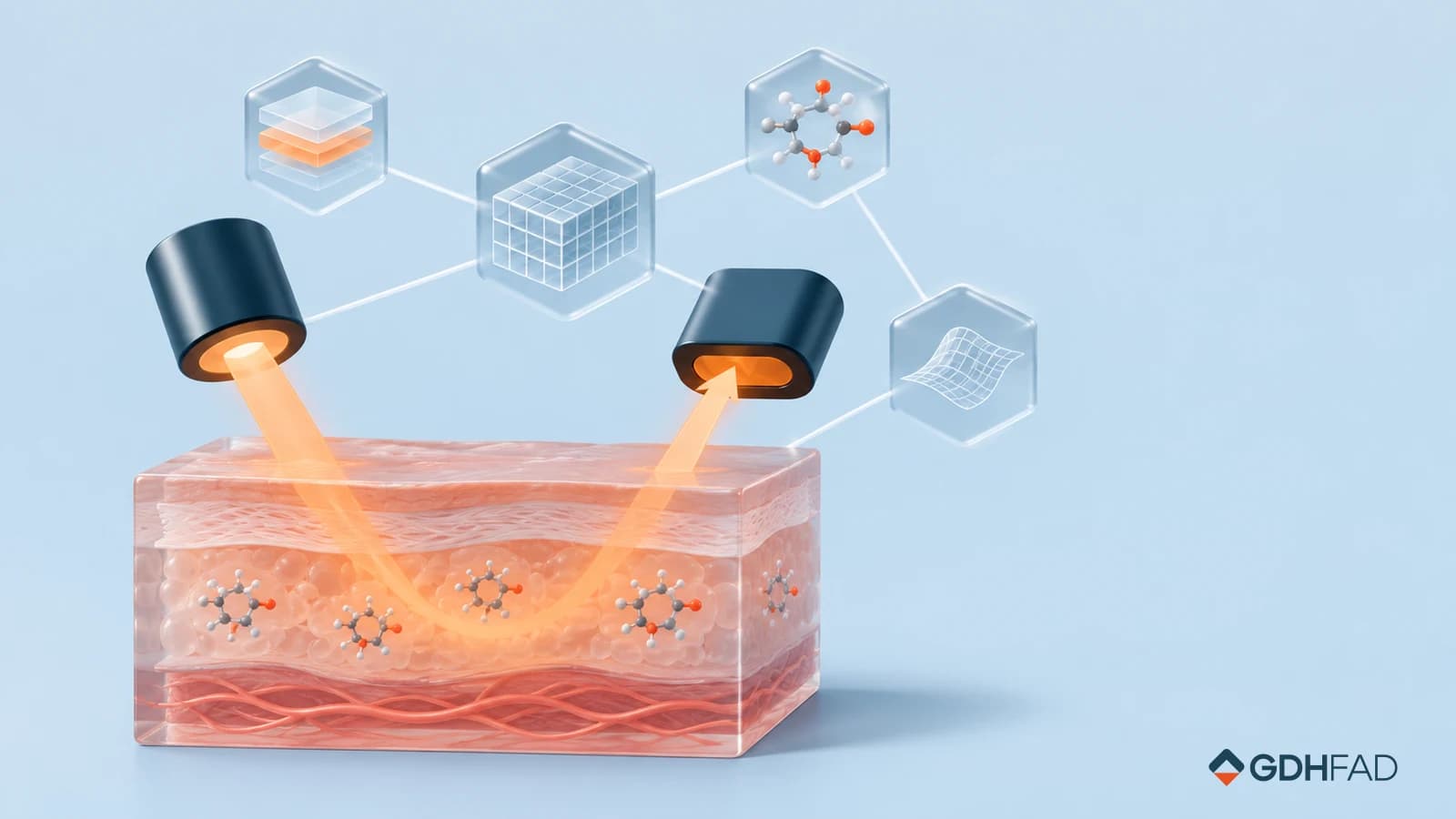
Non-invasive continuous glucose monitoring remains an important technological challenge in diabetes management. This study was revised as a literature-grounded simulation and methodological proof-of-concept rather than an experimental clinical validation. The analysis used 320 independent synthetic reference–NIR glucose pairs generated from physiological ranges and performance distributions reported in the cited literature, together with an illustrative 576-point, 48-h synthetic time series. Three sensor archetypes were informed by published optical systems. Descriptive agreement was evaluated using mean absolute relative difference (MARD), Pearson correlation, Bland–Altman analysis, and the supplied Clarke Error Grid (CEG) categories. Candidate physiological and environmental factors were examined using Pearson correlations with 95% confidence intervals, raw p-values, and Holm correction. The synthetic dataset produced an overall MARD of 10.38% (SD = 7.67%), r = 0.958 (R^(2) = 0.918, p < 0.001), a Bland–Altman bias of 4.32 mg/dL, and 89.4%/10.3%/0.3% of records in CEG zones A/B/D, respectively. All candidate-factor correlations were small and non-significant after multiplicity correction; the largest was hematocrit (r = 0.090, 95% CI −0.019 to 0.198; Holm-adjusted p = 0.852). Differences in MARD among sensor archetypes were also non-significant (ANOVA p = 0.369; Kruskal–Wallis p = 0.543). Adaptive calibration is therefore presented as a literature-informed framework for future prospective validation, not as a performance improvement demonstrated by the present synthetic dataset. No FDA or ISO compliance or clinical applicability is claimed.

Read

Remote glucose monitoring: engagement and outcomes
Article/Everyday monitoring23/10/2026

Remote glucose monitoring: engagement and outcomes

This study aimed to estimate the causal dose-response relationship between patient engagement, operationalized as weekly glucose monitoring frequency, and glycemic control measured by HbA1c among adults enrolled in a comprehensive primary care–integrated remote monitoring program.

Read

What time in range adds to average glucose
Article/Measurements and devices21/10/2026

What time in range adds to average glucose

Average glucose and HbA1c provide an overview, but they hide how readings are distributed. Here is what time in range can clarify, and why the rest of the report still matters.

Read

How often should you check glucose, and why?
Article/Everyday monitoring05/10/2026

How often should you check glucose, and why?

The goal is a useful monitoring plan, not the largest possible number of tests.

Read