Login
Company and partnership
  • Home
  • Products
  • Blog
  • Support
Company and partnershipLogin
  • Home
  • Products
  • Blog
  • Support

8 (800) 000 00-00

contact@GDHFAD.com

  • GDHFAD Plus
  • GDHFAD Mini
  • Test strips
  • Lancets
  • Registration documents
  • Certificates
  • Technical information
  • Declarations and official documents
  • Company and partnership
  • Research and development
  • Quality and documents
  • Contacts
  • GDHFAD expertise
  • Articles and videos
  • User agreement
  • Privacy policy

© GDHFAD, LLC 2026

Website information does not replace advice from a healthcare professional.

No. RZN 2018/6792; No. RZN 2021/14349; No. RZN 2017/6149; No. RZN 2021/14393; RZN 2020/11705; RZN 2020/12242. THERE ARE CONTRAINDICATIONS. CONSULT A SPECIALIST.

BLOG

Articles and videos

Your first measurement?
Glucose profiles and socioeconomic circumstances in adults with type 1 diabetes
Article/Everyday monitoring19/11/2026

Glucose profiles and socioeconomic circumstances in adults with type 1 diabetes

To identify clinical, sociodemographic and glucometric factors associated with achieving international glycaemic targets derived from intermittently scanned continuous glucose monitoring (isCGM) in adults with type 1 diabetes mellitus (T1DM) treated with multiple daily injections (MDI) in Andalusia, a region with universal access to isCGM. A cross-sectional, population-based study was conducted using centralized electronic health records from the Andalusian Public Health System (APHS). Adults with T1DM using isCGM for ≥1 year and integrated glucometric data in Electronic Health Records in APHS in the 14 days preceding the download were included. Four glycaemic endpoints were evaluated: time in range (TIR ≥ 70%), time above range (TAR < 25%), time below range (TBR < 5%), and achievement of full AGP profile. Univariate analyses and multivariable logistic regression models were used to identify independent predictors. A total of 7,885 individuals were included. Overall, 24.8% achieved TIR ≥ 70%, 35.0% TAR < 25%, 72.9% TBR < 5%, and 12.3% met the full AGP profile. Lower HbA_(1c), lower glycaemic variability and a higher number of daily scans were consistently associated with achieving glycaemic targets. Older age and male sex were independent predictors of TIR ≥ 70%. Socioeconomic status showed a significant association: individuals in the intermediate-income group had higher odds of achieving TIR, TAR and full AGP criteria. No socioeconomic associations were observed for TBR < 5%. In a real-world setting with universal isCGM provision, clinical, sociodemographic and glucometric determinants independently influence the achievement of glycaemic targets in adults with T1DM. Integrating advanced monitoring metrics with explicit consideration of social determinants may enhance the precision and equity of glycaemic management strategies.


Read

Glucose monitoring in children hospitalized with congenital hyperinsulinism
Article/Everyday monitoring16/11/2026

Glucose monitoring in children hospitalized with congenital hyperinsulinism

Patients with congenital hyperinsulinism (HI) face recurrent and unpredictable hypoglycemia. Conventional inpatient monitoring relies on intermittent fingerprick glucose testing, which is burdensome for pediatric patients and risks missing hypoglycemic episodes between tests. Continuous glucose monitoring (CGM) provides high granularity, complimentary monitoring but with unproven efficacy to detect and reduce hypoglycemia in the inpatient setting. This study evaluates whether CGM can improve inpatient safety through the early detection, and subsequent treatment, of hypoglycemic episodes. Thirteen inpatients with HI were monitored using Dexcom G7 or G6 device. Finger-prick glucose monitoring was performed at the expert clinician’s discretion and to verify CGM-prompted hypoglycemia alerts. All CGM data were retrospectively searched for hypoglycemia episodes. Fingerprick glucose data were concurrently analysed, alongside electronic health records, to quantify early hypoglycemia detection and subsequent hypoglycemia saved. CGM accuracy was analysed using established metrics, including hypoglycemia sensitivity and error grid analysis, in Python 3.1.1. From 3504 paired CGM and fingerprick values, hypoglycemia sensitivity was 56.7%, with CGM devices tending to overread, by a mean of +0.43mmol/L. On Hypoglycemia Error Grid analysis, 6.2% of values were classed as moderate or severe risk. Patient data, from 627 days of monitoring, showed 721 CGM-detected hypoglycemia events (<3.5 mmol/L). Of these, 448 (62.1%) were refuted as false positives and 273 (37.9%) were confirmed as true hypoglycemia, by fingerprick glucose monitoring. Patients spent a mean of 16 minutes/day (1.1% time) in hypoglycemia. CGM alerts saved an estimated mean of 21 minutes/day of hypoglycemia; a more than halving of total hypoglycemia experienced per patient. The use of CGM within the inpatient setting, for those with HI, allows for a significant reduction in hypoglycemia; potentially halving hypoglycemic time. Sensor accuracy remains poor in the inpatient setting, resulting in high false negatives and suboptimal hypoglycemia sensitivity. However, the overall burden of CGM use is relatively low in the inpatient setting, when healthcare professionals can share the work with parents.

Read

Glycemic biomarkers and CGM in chronic kidney disease
Article/Everyday monitoring09/11/2026

Glycemic biomarkers and CGM in chronic kidney disease

Background/Objectives: Accurate assessment of glycemic control in patients with diabetes and chronic kidney disease (CKD) is challenging because alterations associated with CKD affect the performance of conventional glycemic biomarkers, such as glycated hemoglobin (HbA1c), glycated albumin (GA), and fructosamine, while continuous glucose monitoring (CGM) offers a more comprehensive assessment of glycemic exposure; however, a quantitative synthesis of the correlation between these biomarkers and CGM-derived metrics across CKD stages is lacking. To systematically evaluate the correlation between HbA1c, GA, and fructosamine and CGM-derived glycemic metrics in adults with diabetes and CKD, using CGM as the reference standard. Methods: A systematic review with correlation meta-analysis was conducted following the Preferred Reporting Items for Systematic Reviews and Meta-analyses (PRISMA) guidelines, including studies published between January 2016 and March 2025, indexed in PubMed, Scopus, and Web of Science. Correlation coefficients were transformed using Fisher’s z transformation and pooled using a random-effects model; heterogeneity was assessed using the I^(2) statistic. Results: Ten studies met the eligibility criteria; six provided sufficient data for meta-analysis. The pooled correlation was moderate (r = 0.66; 95% confidence interval [CI]: 0.56–0.74) with substantial heterogeneity (I^(2) = 58.9%). In exploratory biomarker-specific subgroup analyses, GA showed the numerically highest correlation with CGM-derived metrics (r = 0.74; 95% CI: 0.65–0.81), followed by HbA1c (r = 0.65; 95% CI: 0.51–0.75); fructosamine was more variable. Conclusions: No single biomarker demonstrated consistent superiority across CKD stages and treatment modalities. These correlation analyses measure linear association, not clinical interchangeability. Biomarker selection should be individualized according to CKD stage, dialysis status, and CGM availability.

Read

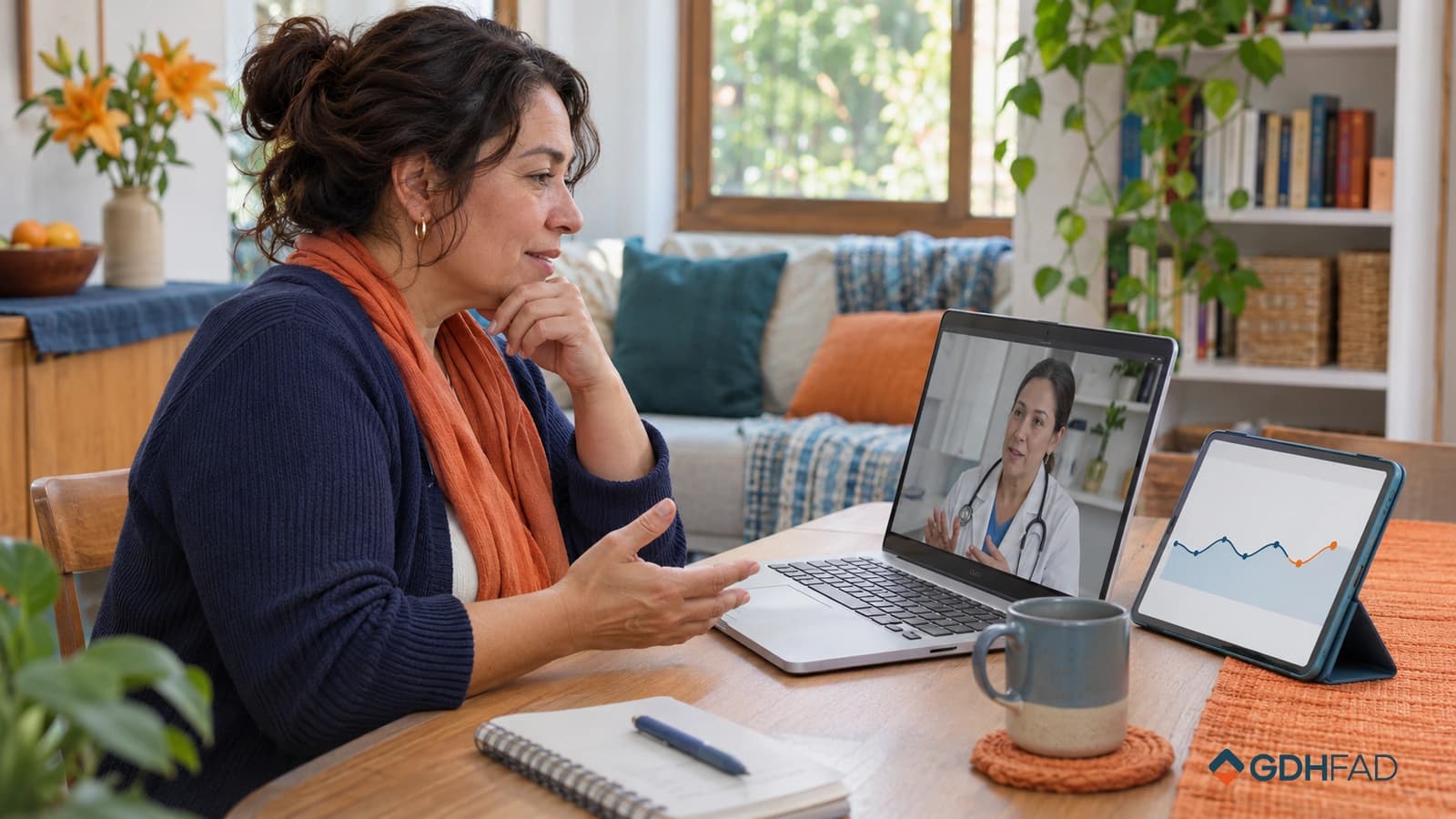
Remote glucose monitoring: engagement and outcomes
Article/Everyday monitoring23/10/2026

Remote glucose monitoring: engagement and outcomes

This study aimed to estimate the causal dose-response relationship between patient engagement, operationalized as weekly glucose monitoring frequency, and glycemic control measured by HbA1c among adults enrolled in a comprehensive primary care–integrated remote monitoring program.

Read

How often should you check glucose, and why?
Article/Everyday monitoring05/10/2026

How often should you check glucose, and why?

The goal is a useful monitoring plan, not the largest possible number of tests.

Read

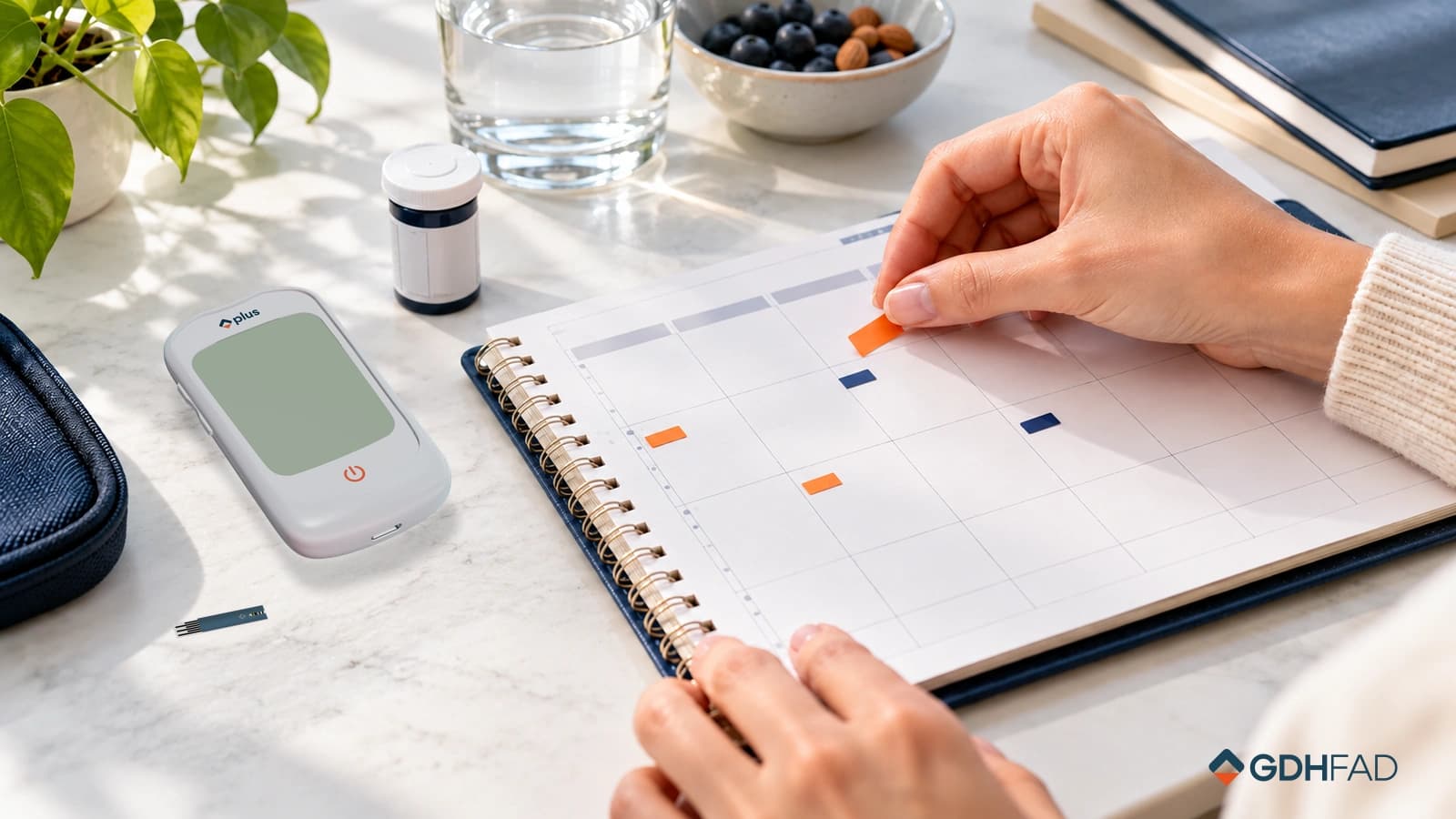
A glucose diary: what to record beyond the result
Article/Everyday monitoring05/10/2026

A glucose diary: what to record beyond the result

Brief notes make your history easier to understand and discuss with your care team.

Read

Before and after meals: why test timing matters
Article/Everyday monitoring05/10/2026

Before and after meals: why test timing matters

Record the relation to food without judging your diet from one reading.

Read

Physical activity and glucose monitoring: plan ahead
Article/Everyday monitoring05/10/2026

Physical activity and glucose monitoring: plan ahead

Testing around activity should reflect your treatment and individual routine.

Read

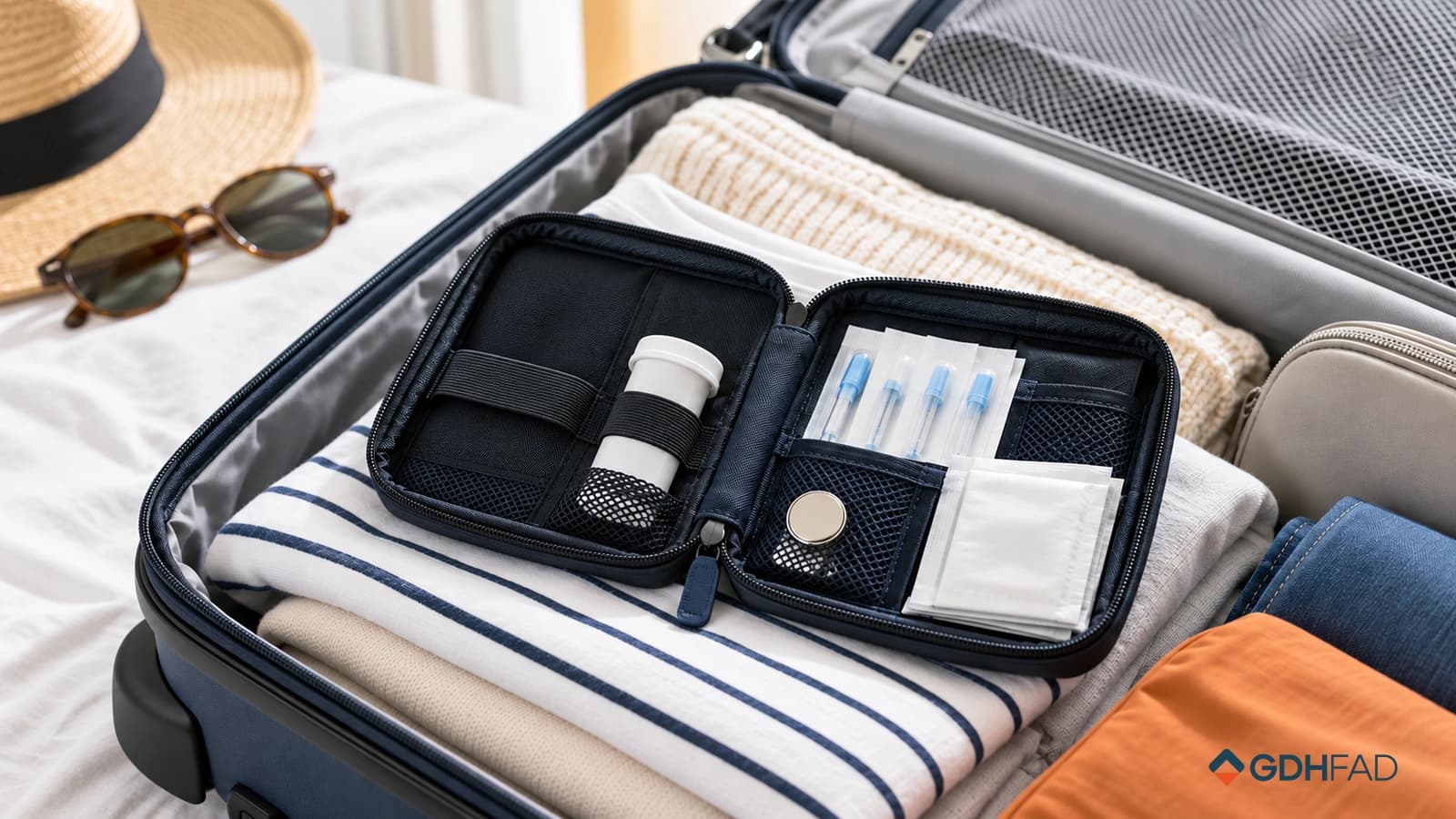
Travelling with a glucose meter: prepare your kit
Article/Everyday monitoring05/10/2026

Travelling with a glucose meter: prepare your kit

Accessible supplies, temperature protection and clear records across time zones.

Read